
Last updated September 10, 2026
Full 25-point door and opener safety check with every visit - springs, cables, rollers, tracks, and your LiftMaster or Chamberlain opener included
You get a price before we start. It does not change when the truck arrives.

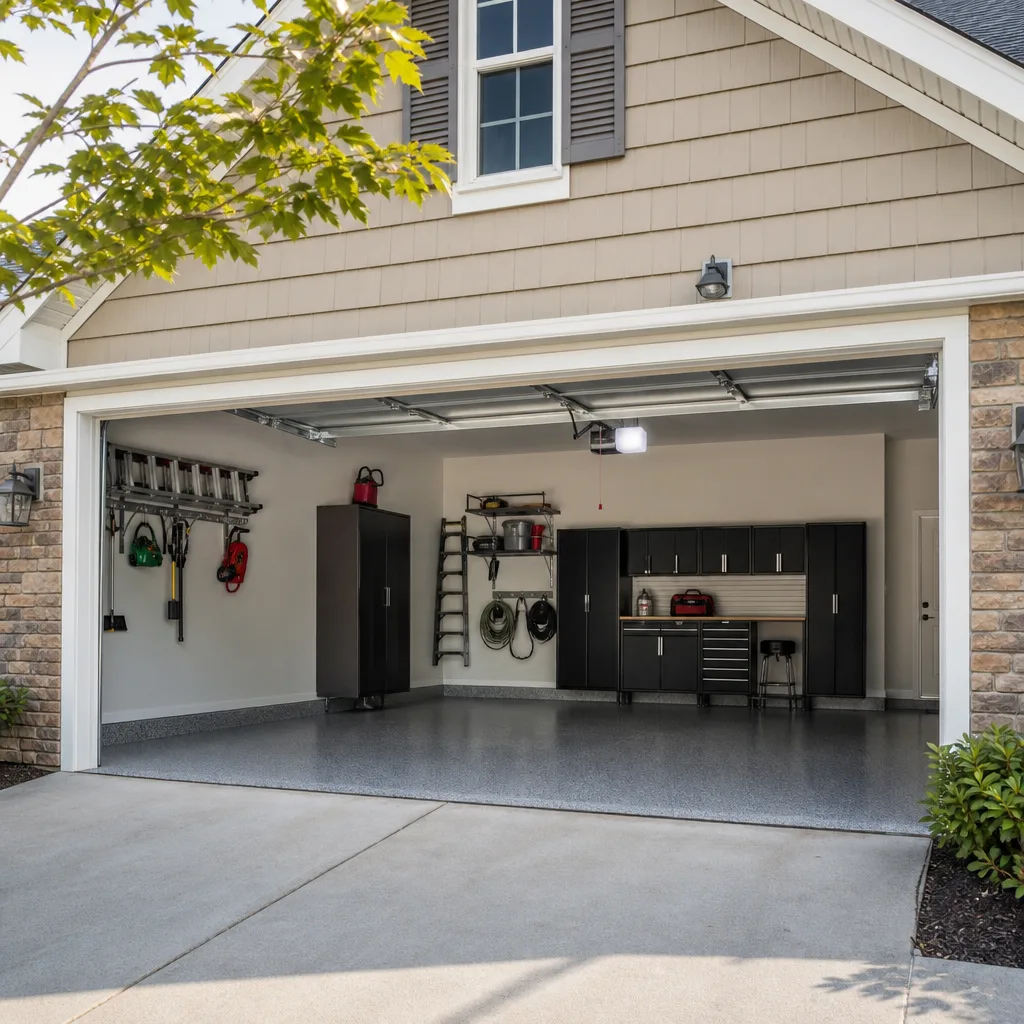
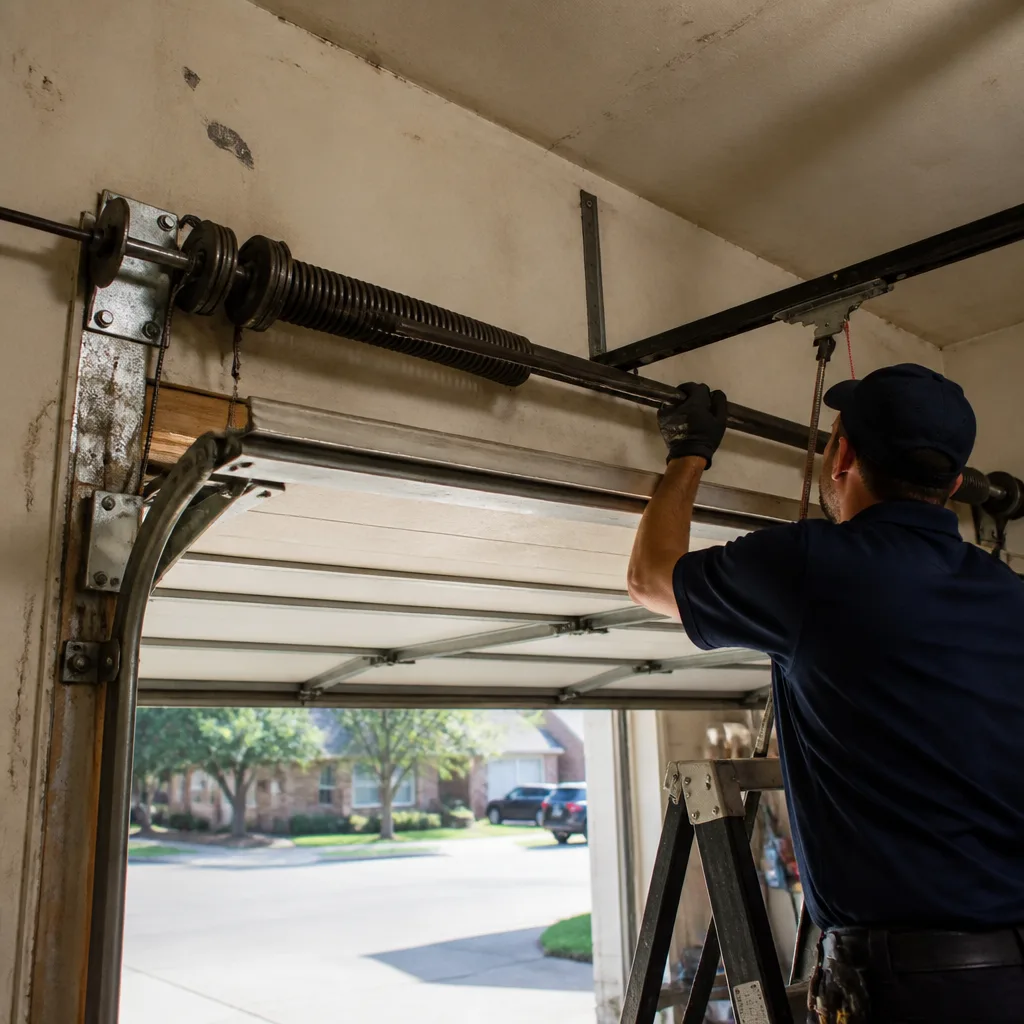 Before
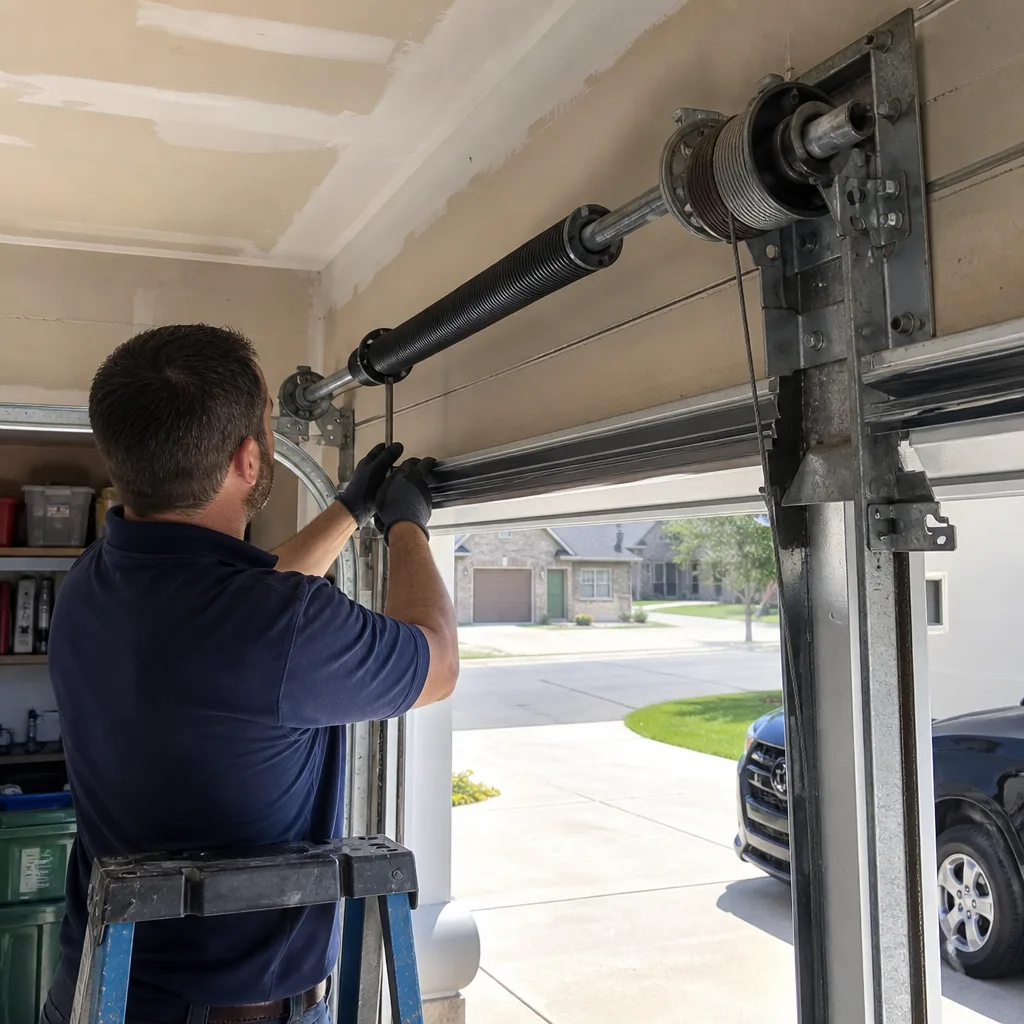 After
After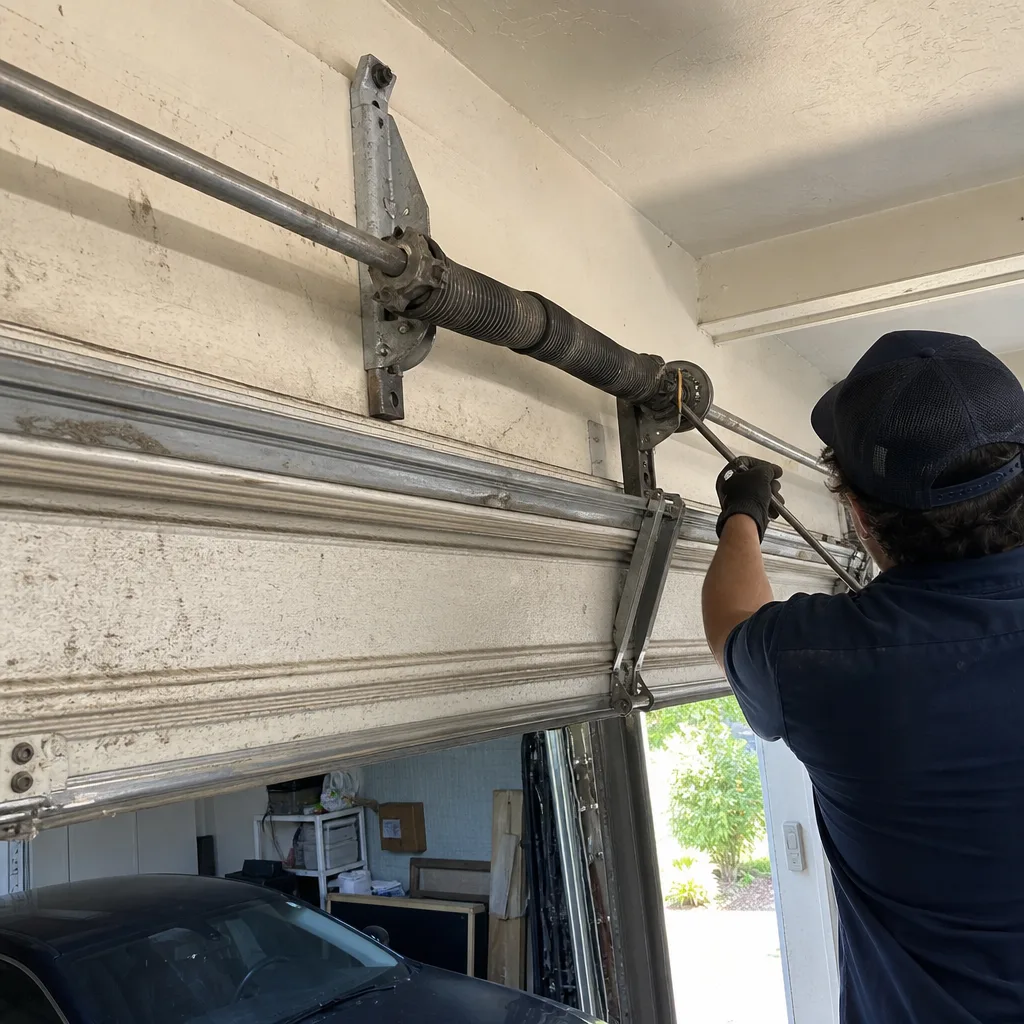 Before
 After
After Before
 After
AfterSeasonal Garage Door Care for Frisco: Year-Round Homeowner’s Guide
Here’s something most Frisco homeowners don’t realize: a garage door tuned up in April is not the same door in August. Spring tension drops as metal expands in 105-degree heat, opener motors run hotter and draw more current, and the bottom seal that sealed perfectly in mild weather lets in an inch of light by July. In our 42 years serving North Texas, we’ve learned that Frisco doesn’t have four equal seasons - it has one brutal summer, two transitional shoulder periods, and a short winter that produces ice storms with no warning. Each phase creates a distinct failure mode that a single annual tune-up cannot address. This guide will show you what to check, when to check it, and when to call us before a small problem becomes a stuck door at 6 a.m. For The Complete Guide to Garage Door in Frisco and more guides & resources, visit our blog.
Quick Answer
Seasonal garage door care in Frisco requires four distinct maintenance phases: pre-summer tension and seal checks in May, storm-damage inspection after spring hail events, October track and roller service before temperature swings accelerate wear, and winter ice-protocol to protect seals during freeze events. A door maintained on this calendar lasts 3-5 years longer than one with a single annual tune-up.
Table of Contents
- Why Frisco’s Climate Demands a Different Approach
- Pre-Summer Protocol: May Preparation Checklist
- Storm Season Readiness: March Through June
- Fall Transition: Frisco’s Highest-Value Maintenance Window
- Winter Ice Events: Protection and Safe Response
- Printable Seasonal Calendar for Frisco Homeowners
- Common Mistakes to Avoid
- When to Call a Professional
- Frequently Asked Questions
Why Frisco’s Climate Demands a Different Approach
Frisco sits on the Blackland Prairie with clay-heavy soil that shifts dramatically between wet and dry periods. That soil movement transfers stress to garage door frames and tracks in ways that sandy-soil regions simply don’t experience. We’ve seen track bolts loosen in Stonebriar homes after a single dry August, and we’ve realigned frames in Newman Village where foundation movement pushed the header out of square by half an inch.
The temperature swing is equally aggressive. A typical July day in Frisco hits 102 degrees. A typical January night drops to 28. That 74-degree annual range causes steel springs to expand and contract through roughly 10,000 cycles per year. Each cycle fatigues the metal. In coastal climates with stable temperatures, a torsion spring might last 15,000 cycles. In Frisco, we regularly replace springs at 12,000 cycles because thermal stress accelerates metal fatigue.
Humidity matters too. June through September brings dew points above 70 degrees. That moisture condenses on cold concrete floors at dawn, rusts bottom fixtures, and swells wooden door sections on older Raynor and Craftsman models still common in Frisco’s 1990s-built neighborhoods like Preston Vineyards.
The hail risk is specific and severe. Frisco sits in the southern tip of Tornado Alley, and spring supercells produce golf-ball to baseball-size hail every 2-3 years. A single hail event can dent steel panels, knock tracks out of plumb, and crack weather seals. After the March 2023 storm, we replaced 47 doors in Frisco in a single week. Most of that damage was preventable or at least detectable with a post-storm inspection sequence.
Finally, the ice events. Frisco’s winter storms aren’t predictable week-to-week, but they arrive reliably. When freezing rain coats a rubber bottom seal and freezes it to the concrete, homeowners who force the opener burn out the motor or tear the seal. The right protocol saves both.
This is why we structure our garage door repair in Frisco around seasonal readiness rather than reactive breakdowns. A door that survives August and March intact will likely run quiet through the mild months between.
Pre-Summer Protocol: May Preparation Checklist
May is the critical month in Frisco. The soil is still carrying spring moisture, temperatures haven’t peaked, and you can address problems before they become emergencies in July. Here’s what we check on every pre-summer service call, and what you can observe yourself.
Spring Tension Verification
Torsion springs lose approximately 3-5% of their calibrated tension for every 20 degrees of sustained temperature increase. A spring properly tensioned at 75 degrees in April will be undertensioned at 100 degrees in July. The door feels heavier. The opener strains. The motor overheats.
We measure door balance with the opener disconnected. A properly balanced door should stay at any position between fully open and fully closed when released by hand. If it drifts down from waist height, the springs need adjustment. In Frisco’s heat, we also check for oil streaks on the spring body - a sign that the spring is fatiguing and the internal lubricant is weeping through microfractures.
Safety note: Torsion springs are under extreme tension and can cause serious injury or death if handled improperly. Do not attempt to adjust or replace them yourself. Our technicians are trained to release and reset spring tension safely.
Opener Heat Rating Audit
Garage door openers have thermal protection circuits that shut down the motor when internal temperature exceeds safe limits. In uninsulated Frisco garages facing west, ambient temperatures can reach 115 degrees. The motor adds another 40-60 degrees of operating heat. An older LiftMaster or Craftsman unit with degraded ventilation slots will trip its thermal cutoff repeatedly - you’ll notice the door stops mid-cycle and resumes 15 minutes later.
We check three things: motor amp draw under load (elevated draw indicates failing bearings), thermal cutoff response (we simulate high-temp conditions), and ventilation clearance around the opener head. If your garage has no ventilation, we may recommend a thermal blanket for the motor housing or upgrading to a unit with higher heat tolerance.
Bottom Seal Inspection
The rubber or vinyl bottom seal on a garage door compresses against concrete. In Frisco’s heat, cheap PVC seals become brittle and develop permanent set - they no longer spring back to shape. Light leaks under the door are the first sign. Insects, dust, and eventually water follow.
We measure seal compression with a feeler gauge. A healthy seal compresses to 1/8 inch or less. If we can slide a 1/4-inch gauge under the door at multiple points, the seal needs replacement. For west-facing doors in Frisco’s afternoon sun, we specify EPDM rubber rather than PVC - it costs more but survives three summers instead of one.
May Checklist Summary
- Test door balance with opener disconnected - should hold position at any height
- Inspect torsion springs for oil streaks, gaps, or rust corrosion
- Check opener motor housing temperature after three consecutive cycles
- Measure bottom seal compression with a ruler or gauge - look for daylight
- Lubricate rollers, hinges, and bearings with silicone-based product (not WD-40, which attracts dust)
- Verify safety reverse function - place a 2×4 flat on the floor, door should reverse on contact
Our garage door opener in Frisco service includes full thermal audit and safety system verification. We carry replacement motors, circuit boards, and drive gears on every truck.
Storm Season Readiness: March Through June
Frisco’s storm season isn’t a vague threat - it’s a specific set of failure modes we’ve documented across hundreds of service calls. The March 2023 hailstorm that tracked across Preston Road produced 2.75-inch hail in the Frisco Square area. We replaced dented Wayne Dalton 9100 series panels, realigned tracks knocked out of plumb by wind pressure, and found bottom seals torn by wind-borne debris in seven homes near the PGA headquarters.
Pre-Storm Preparation
Wind pressure on a closed garage door creates a sail effect. A 70-mph gust generates roughly 20 pounds per square foot of pressure. On a 16-foot wide door, that’s over 2,000 pounds of lateral force. The door won’t blow in - it’s designed for that - but the track system absorbs the stress. Loose track bolts, worn rollers, or a weakened horizontal track angle will fail under repeated gust loading.
Before storm season, we inspect every track mounting bracket, verify roller stem engagement in the track, and confirm the horizontal track is supported at its connection to the vertical track. On older Frisco homes in The Trails and Hunters Creek, we often find track brackets that have worked loose from wood frame headers that have dried and shrunk over twenty Texas summers.
Post-Storm Inspection Sequence
After any hail or high-wind event, run this sequence before operating the door:
- Visual panel inspection from inside the garage with the door closed. Hail dimples on steel panels are visible as shadow rings when light hits at an angle. Even small dimples can crack the factory paint and start rust.
- Track plumb check. Close one eye and sight along the vertical track from bottom to top. It should appear perfectly straight. Any bow or twist indicates impact or wind stress.
- Manual operation test. Disconnect the opener and lift the door by hand. It should move smoothly through the full travel. Binding, grinding, or a new rough spot indicates track damage or roller displacement.
- Seal tear inspection. Run your hand along the bottom seal’s full width. Hail-driven debris can slice the rubber without visible damage from above.
- Opener force limit test. If the door feels different after the storm, the opener may be compensating for new resistance. Excessive force settings strain the motor and create a safety hazard.
If you find hail damage, document it with photos before operating the door further. Insurance adjusters need to see the original damage state. We provide written damage assessments for claims, and our garage door installation in Frisco team can match existing panel profiles on most Wayne Dalton, Clopay, and Amarr models from the last two decades.
Wind-Rated Doors for Frisco
Frisco’s building code requires wind resistance for new construction, but many homes built before 2012 have non-wind-rated doors. If you’re replacing a door, we specify 90-mph wind load rating minimum for Frisco’s exposure category. The difference in track gauge, bracket spacing, and reinforcement strut placement is substantial. A wind-rated door costs 15-20% more but survives events that destroy standard construction.
Fall Transition: Frisco’s Highest-Value Maintenance Window
October and November are the most undervalued maintenance months in Frisco. The soil is contracting after summer dryness, temperatures are moderate, and every problem that developed through the heat is still visible before winter concealment. We call this the “honest season” - the door shows you exactly what August did to it.
What Heat Damage Looks Like in October
Springs that fatigued through summer often fail in the first cold snap of November. The metal, already microfractured, contracts and the final stress cycle snaps it. In our records, spring replacement calls in Frisco spike 40% during the first week below 40 degrees. Every one of those springs was damaged in July and August.
By inspecting in October, we catch the oil weeping, the slight sag in door balance, the opener straining on its down-cycle. We can replace the spring on a scheduled visit rather than an emergency call at 6 a.m. when you’re trying to get to DFW Airport.
Track and Roller Service
Summer dust settles in roller stems and track interiors. The Blackland Prairie’s fine caliche dust is particularly abrasive. In October, we remove and clean rollers, inspect bearings for grit infiltration, and verify that steel rollers haven’t developed flat spots from vibration. Nylon rollers, increasingly common on newer Frisco homes, don’t flat-spot but they do crack - we look for stress whitening at the wheel hub.
Track alignment is critical after summer soil movement. We check with a level and measure the gap between door edge and track at multiple heights. A consistent 1/4-inch gap is correct. Variation indicates frame shift or track bend.
Weather Seal Replacement Before Winter
October is the last comfortable month to replace a bottom seal. In summer, the concrete is too hot for adhesive-backed retainers to set properly. In winter, the seal won’t seat against cold concrete. We replace brittle seals, adjust retainer channels that have worked loose, and on older Frisco homes with wooden door bottoms, we verify the wood hasn’t rotted where the seal mounts.
For homes near Stewart Creek or the tributaries running through Grayhawk and Lexington Park, we also check side and top seals. These areas see higher humidity and more insect pressure. A complete seal system in October prevents the mouse and cricket invasions that frustrate Frisco homeowners in January.
Our $89 Seasonal Tune-Up is designed for this window. We schedule them heavily in October because the value is highest then. Call (945) 495-3756 to book before the first cold snap.
Winter Ice Events: Protection and Safe Response
Frisco’s ice storms arrive with little warning. The February 2021 event kept us busy for three weeks - not from the cold itself, but from homeowners forcing doors frozen to the ground. The damage is always preventable with the right protocol.
How Ice Forms on Garage Door Seals
Freezing rain or melted snow refreezes at the door-to-concrete interface. The rubber seal, slightly porous, wicks moisture and becomes bonded to the concrete surface. The bond strength is surprising - a typical 16-foot seal can require 50-80 pounds of pull to free. Your opener is rated for door weight, not seal adhesion. When the opener engages, something gives: the seal tears, the opener gear strips, or the top section of the door buckles.
Safe De-Icing Protocol
- Do not operate the opener. Disconnect it using the red emergency release cord. This prevents accidental activation.
- Assess the ice extent. If the seal is frozen across less than 12 inches, you may free it carefully. If frozen the full width, stop and call us.
- For limited freezing: Pour warm (not boiling) water along the seal edge. Work from one end, moving the water source continuously. Do not let water pool and refreeze.
- Alternative: A hair dryer on low heat, kept moving, will thaw the bond without thermal shock to the rubber.
- Never use: Ice picks, screwdrivers, or hammer blows. These puncture seals and damage concrete. Never pour boiling water - thermal shock cracks concrete and degrades the seal compound.
- After freeing: Dry the seal and concrete with towels. Apply silicone spray to the seal face to prevent refreezing.
When to Leave the Door Closed
If ice has formed while the door is open, or if the seal is frozen across more than half its width, leave the door as-is. A closed door with a torn seal is better than a door stuck open in freezing rain. We respond to emergency calls for this exact situation, and we carry replacement seals and temporary weather barriers on every truck.
In extended freeze events, we also recommend checking opener battery backup function. Power outages during ice storms are common in Frisco, and a door that won’t open manually from outside creates a real problem if you need to leave. Test your backup battery monthly in winter.
Printable Seasonal Calendar for Frisco Homeowners
Print this and tape it inside your garage, near the opener wall button. For more guides & resources, bookmark our blog. These are the specific tasks that match Frisco’s actual climate cycle.
| Month | Task | What to Look For |
|---|---|---|
| March | Pre-storm inspection | Loose track bolts, worn rollers, seal integrity before hail season |
| May | Pre-summer protocol | Door balance, opener heat tolerance, bottom seal compression |
| June-August | Monthly visual check | Oil streaks on springs, opener thermal cutouts, seal daylight leaks |
| September | Post-summer assessment | Panel paint damage, track alignment after soil drying, roller wear |
| October-November | Full seasonal tune-up | Spring fatigue signs, complete seal replacement, track cleaning |
| December-February | Ice protocol readiness | Backup battery test, de-icing supplies on hand, emergency release function |
Mark your calendar for the October tune-up. It is the single highest-return maintenance investment for a Frisco garage door. The problems we find then are the ones that would have failed in January or July.
Common Mistakes to Avoid
- Using WD-40 on garage door parts. It is a solvent, not a lubricant. It strips existing grease and attracts dust that forms grinding paste. Use silicone spray or lithium grease on Frisco’s dusty prairie environment.
- Ignoring a door that “just started making a little noise.” In Frisco’s heat, that noise is often a roller bearing failing or a spring developing a flat spot. Both announce themselves weeks before they fail completely. The noise is your warning.
- Adjusting opener force limits to compensate for a heavy door. This masks spring failure and creates a crushing hazard. The force setting should never change from factory specification. If the door feels heavy, the springs need service.
- Waiting for “spring cleaning” to think about the garage door. April in Frisco is already into hail season. The ideal prep window is March, before the storms arrive.
- Forcing a frozen door with the opener. We replace more opener gears and bottom seals after ice events than from all other causes combined. The repair cost is 3-4 times what a service call would have been.
- Assuming all garage door companies stock parts for all brands. Many Frisco homes have original Wayne Dalton TorqueMaster spring systems or older Craftsman openers with discontinued boards. We carry compatible components, but many competitors do not - verify before booking.
- Neglecting the emergency release. Every Frisco homeowner should test the red manual release cord monthly. If it won’t disengage, the opener trolley or carriage is worn and won’t release when you need it most.
When to Call a Professional
Some situations require trained technicians with the right tools and parts. Call Mainspring Garage Door Co. at (945) 495-3756 when you notice: a broken spring or visible gap in the torsion assembly; a door that won’t stay open or falls rapidly when released; opener motor humming without door movement; bent or dented tracks from impact; a door that has come off its rollers; or any situation involving high-tension springs or electrical components where personal safety is at risk.
We answer with a live person 24 hours a day, including holidays. Our trucks carry springs, cables, openers, and replacement panels for all major brands. Most jobs are completed in a single visit. We state the flat price before any work begins, and every repair is covered by our 90-Day Done Right Promise in writing. Mainspring Garage Door Co. home for full service details.
Frequently Asked Questions
Twice yearly is optimal for Frisco’s climate: a pre-summer check in May and a full tune-up in October. The May visit addresses heat-related tension and seal issues before they peak. The October visit catches summer wear before winter stress compounds it. A single annual service misses one of these critical windows.
Yes, for basic roller and hinge lubrication. Use silicone spray or white lithium grease, applied sparingly to roller bearings and hinge pivot points. Do not lubricate the track surface - it attracts dust and causes roller slippage. Never attempt to lubricate or adjust torsion springs; they require professional handling.
Thermal overload is the most common cause in Frisco. Opener motors generate internal heat, and unventilated garages in July add ambient heat the motor wasn’t designed for. The thermal protection circuit shuts down the motor to prevent fire hazard. Solutions include improving garage ventilation, adding a thermal shield to the motor, or upgrading to a higher-duty opener with better heat tolerance.
Our Seasonal Tune-Up is $89 and includes full balance check, safety system test, roller and hinge lubrication, track inspection, and seal evaluation. Repairs found during tune-up are quoted separately with upfront pricing before any additional work begins. Seniors and veterans receive a permanent 5% discount on all services. Call (945) 495-3756 to schedule.
Photograph all visible damage before operating the door. Run the manual operation test described in our storm section above. If the door binds, makes new noises, or the track appears bent, stop and call us. We provide written damage assessments for insurance claims and can match most panel profiles from the last 20 years.
No. A garage door with a broken spring is extremely heavy and can fall without warning. The opener is not designed to lift the full door weight and will strain or fail. Disconnect the opener, leave the door closed if possible, and call for professional spring replacement. This is not a DIY repair - torsion springs store lethal energy.
The Bottom Line
Frisco’s garage doors face thermal stress, soil movement, hail impact, and ice adhesion that climates with genuine four-season moderation simply don’t produce. A single annual tune-up leaves your door vulnerable for three-quarters of the year. The homeowners who get 20 years from a door instead of 12 are the ones who match maintenance to the actual climate cycle: May prep for summer, October catch-up before winter, and informed response when storms and ice arrive. The calendar in this guide is based on what we’ve observed across four decades serving this specific soil and weather. Use it, print it, and call when you need a second set of eyes.
Written by Carl Dutton, Owner at Mainspring Garage Door Co., serving Frisco since 2016.